Microbiology
Microbiology is the scientific study of microorganisms, which are microscopic living organisms or biological agents that cannot usually be observed with the naked eye.
Microbiology focuses on microorganisms such as:
- Bacteria
- Fungi
- Protozoa
- Microscopic algae
- Viruses
These microorganisms can be found in soil, water, food, animals, plants, and the human body.
Bacteria
Bacteria are single-celled microorganisms. They can have different shapes, including cocci, bacilli, and spiral forms.
Some bacteria are beneficial and participate in processes such as digestion, fermentation, and nutrient cycling. Others can cause infectious diseases.
Bacteria can be studied using techniques such as:
- Microscopic observation
- Culture
- Gram staining
- Biochemical tests
- Molecular methods
Microorganisms and Health
Microorganisms can have different effects on human health. Beneficial microorganisms, such as some members of the normal microbiota, can support digestion and protect against certain pathogens.
Pathogenic microorganisms can cause infections. The immune system and appropriate antimicrobial treatments help control these infections.
Laboratory Applications
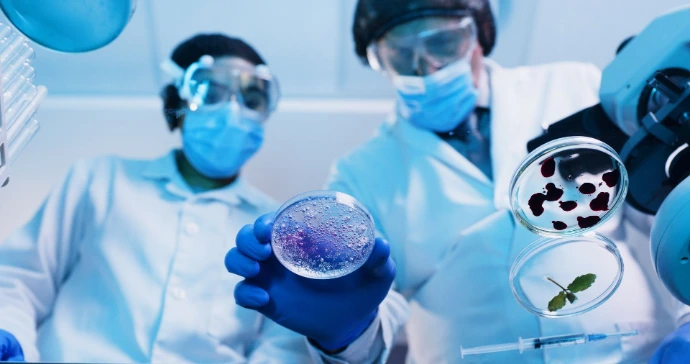
Microbiology laboratories use different techniques to identify and study microorganisms. Sterile techniques are essential to prevent contamination and ensure reliable results.
Common applications include:
- Microbial culture
- Identification of microorganisms
- Antibiotic susceptibility testing
- Molecular detection
- Food and water microbiology
- Clinical microbiology
Conclusion
Microbiology helps us understand microorganisms and their roles in health, disease, ecosystems, food production, and biotechnology. It is an essential field in biomedical sciences, medicine, pharmacy, and laboratory research.